Top Heels For Boots That Global Buyers Must Consider?
When it comes to fashion footwear, "Heels For Boots" play a pivotal role. They add sophistication and elevate any outfit. As global buyers seek unique designs, the market for stylish boots is thriving. However, choosing the right heels can be challenging. It's essential to consider factors like comfort, height, and versatility.
Many buyers underestimate the impact of heel selection. A well-chosen heel can transform a basic boot into a statement piece. This can boost confidence and enhance personal style. Nevertheless, different occasions call for different heels. Not every style works for every buyer.
Buyers should explore various trends and materials. Brands are innovating to offer options that balance style and comfort. Yet, striking the right balance between aesthetics and practicality can be tricky. As trends evolve, buyers must reflect on their personal needs and preferences. This makes the decision-making process both exciting and daunting.
Key Features to Look for in High Heels for Boots
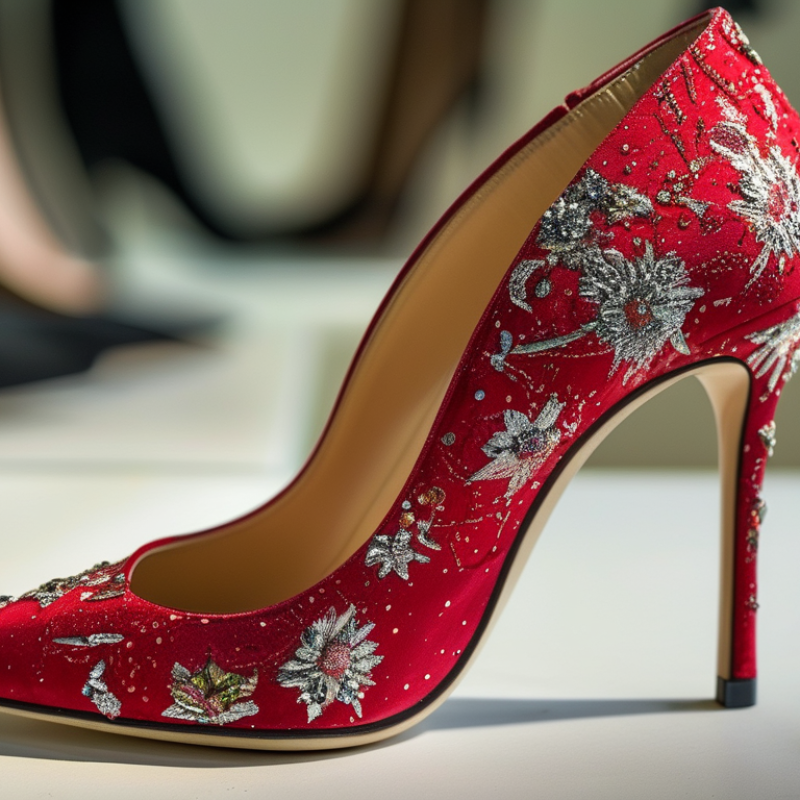
When selecting high heels for boots, consider the heel height. A modest height offers comfort, while a taller heel can enhance elegance. Choose a base that provides stability. Heels with a wider base tend to be less wobbly. Lightweight materials are preferable. Heavy boots can lead to fatigue during long wear.
Next, pay attention to the shape. Pointed toes can elongate the leg, while rounded toes offer a classic look. Evaluate the arch support as well. Insufficient support can lead to discomfort after a few hours. Look for boots that have padded insoles or contoured arches.
Lastly, ensure the material is breathable. Leather and suede allow for airflow, while synthetic options may trap heat. Waterproof features can be a plus in wet climates. Yet, the balance between function and style must be addressed. Not every fashionable boot is practical. Consider the occasions when you will wear them. Your choice reflects your lifestyle.
Popular Materials Used in Boot Heels: A Comprehensive Overview
When exploring boot heels, material choice plays a critical role.
Leather is prevalent due to its durability and mature aesthetics. According to industry data, 55% of consumers prefer leather for high-end boots. It offers excellent longevity and can easily adapt to different styles. However, leather can be a challenge for those seeking vegan options.
Rubber is another popular material for boot heels. It provides superior traction and is ideal for outdoor use. A study revealed that 40% of consumers prioritize comfort, which rubber often delivers. Nevertheless, the look might not appeal to all, especially in formal settings. Additionally, some may find rubber less versatile overall.
Sustainability trends are influencing materials too. Eco-friendly alternatives, like recycled plastics, are gaining ground. They help reduce environmental impact but are still seen as less prestigious than traditional materials. Balancing environmental consciousness with style is an ongoing challenge in the industry. Understanding these materials will allow buyers to make informed choices.
Top Styles of Heels for Boots: Functionality and Fashion Combined
When it comes to choosing the right heels for boots, functionality and fashion are key. Many people overlook heel types when selecting boots. However, the heel can significantly impact both style and comfort. Block heels offer stability and are perfect for day-long wear. Their sturdy base makes them an excellent choice for those who are always on the move.
Stiletto heels, on the other hand, add elegance. They elevate any outfit but can be tiring for extended use. It's essential to assess your daily routine before opting for such a style. An alternative worth considering is the wedge heel. Wedges provide height while distributing weight evenly. This makes them suitable for various occasions.
In the realm of boot styles, ankle boots paired with a chunky heel create a trendy look. They also provide support without sacrificing style. But remember, not all heel heights are equal for everyone. Personal preference and comfort should always come first. The perfect boot heel combines your unique style with practicality. Experimentation is vital to discover what works for you.
Top Heels For Boots That Global Buyers Must Consider
Global Trends in Boot Heel Designs: What Buyers Should Know
When exploring global trends in boot heel designs, buyers must understand current preferences and market shifts. According to the Footwear Distributors and Retailers of America, approximately 70% of consumers prioritize comfort in shoe selection. This trend influences the design of boot heels, with a growing popularity for wider, stable shapes. Thinner, higher heels are still beloved, but they are now often complemented by padded insoles.
Data from a recent Global Footwear Market report indicates that sales of boots featuring block heels increased by 45% last year. Buyers should take note of this shift towards practicality. Boots with semi-chunky heels are becoming suitable for various occasions, including casual and professional settings.
Tip: When selecting boots, buyers should consider materials that enhance comfort, such as cushioned footbeds and breathable fabrics. Prioritize styles that offer support without sacrificing aesthetics.
Furthermore, the rise of sustainable fashion is evident. Many brands are now using eco-friendly materials for boot heels. This approach aligns with a growing consumer desire for sustainable choices. Buyers should reflect on their purchases' environmental impact.
Tip: Look for brands that disclose their manufacturing processes. Transparency adds to credibility and showcases responsible practices.
Best Brands for Quality Heeled Boots Around the World
When considering heeled boots, the global market has diverse offerings. High-quality heeled boots are not just about aesthetics; they reflect craftsmanship and performance. According to recent industry reports, the global footwear market is expected to grow by over 5% annually, driven in part by rising demand for stylish and functional boots.
Some brands stand out for their dedication to quality. They invest in sustainable materials and innovative designs. Data shows that consumers increasingly value durability and ethical production. However, it is essential to recognize that not all brands meet these standards. Researching essential attributes, such as material quality and customer reviews, can lead to better purchasing decisions.
**Tip:** Always check the heel height and material when selecting heeled boots. Comfortable options often feature cushioning and arch support.
Understanding your personal style is crucial too. Some may prefer sleek designs, while others lean towards more rugged looks. Yet, it’s vital to consider how often you will wear them. It is easy to buy a beautiful pair only to find they do not fit with your wardrobe.
**Tip:** Evaluate your closet before buying. Versatility can make your investment worthwhile.
Top Heels For Boots That Global Buyers Must Consider
| Boot Style |
Heel Height (inches) |
Material |
Country of Origin |
Price Range (USD) |
| Ankle Boot |
3 |
Leather |
Italy |
$150 - $250 |
| Knee-High Boot |
4 |
Suede |
Spain |
$200 - $300 |
| Combat Boot |
2.5 |
Synthetic |
USA |
$100 - $180 |
| Chelsea Boot |
3.5 |
Leather |
UK |
$120 - $220 |
| Platform Boot |
5 |
PVC |
China |
$80 - $150 |